
Unlocking the Potential of the NXP LPC1113FHN33/302 32-bit ARM Cortex-M0 Microcontroller
In the rapidly evolving landscape of embedded systems, the demand for efficient, cost-effective, and powerful microcontrollers continues to grow. Among the standout solutions is the NXP LPC1113FHN33/302, a 32-bit ARM Cortex-M0 based microcontroller that combines high performance with exceptional energy efficiency. This device is engineered to meet the needs of a wide array of applications, from consumer electronics and industrial automation to IoT devices and smart sensors.
At the heart of the LPC1113FHN33/302 lies the ARM Cortex-M0 processor, renowned for its low power consumption and compact architecture. Operating at frequencies up to 50 MHz, this core delivers a robust performance that belies its minimalist design. The microcontroller integrates 8 kB of flash memory and 2 kB of SRAM, providing ample resources for many embedded applications without unnecessary overhead. This makes it an ideal choice for projects where optimizing cost and power is critical.
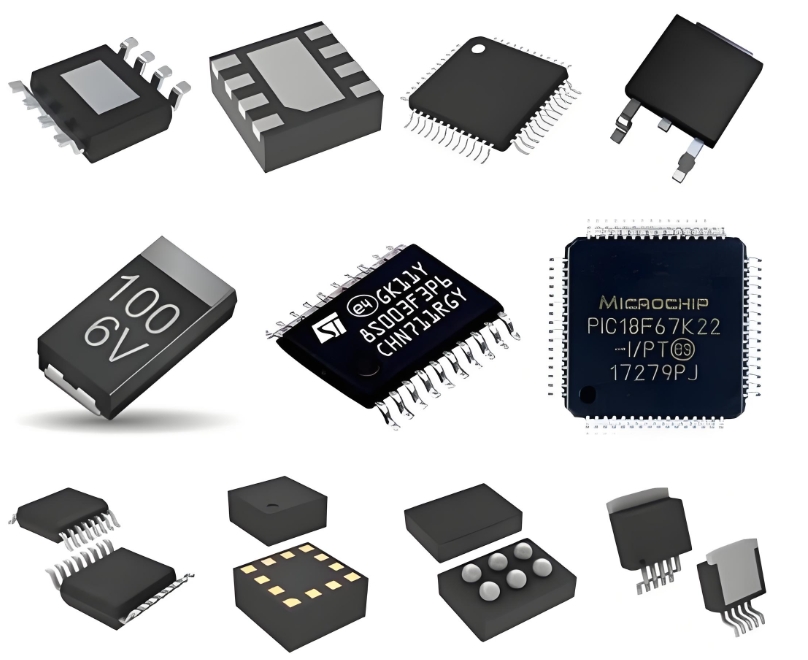
One of the key strengths of the LPC1113 is its rich set of peripherals. It features a versatile I/O configuration, including UART, SPI, and I2C interfaces, enabling seamless communication with other devices. Additionally, its 10-bit ADC and multiple timers support precise analog measurements and real-time control tasks. The microcontroller’s ultra-low power modes further enhance its suitability for battery-operated applications, allowing systems to conserve energy without sacrificing functionality.
Development with the LPC1113 is streamlined through comprehensive support from NXP and the broader ARM ecosystem. Tools such as the LPCXpresso IDE and various third-party environments facilitate efficient coding, debugging, and deployment. The microcontroller’s compatibility with numerous libraries and real-time operating systems (RTOS) accelerates time-to-market, empowering developers to focus on innovation rather than infrastructure.
In practical terms, the LPC1113 excels in scenarios requiring reliable control and connectivity. For instance, in a smart home setup, it can manage sensor data acquisition and wireless communication modules. In industrial settings, it can drive motor controls or monitor environmental parameters. Its small footprint and high integration level reduce external component count, lowering overall system cost and complexity.
ICGOODFIND: The NXP LPC1113FHN33/302 is a compelling embodiment of modern microcontroller design, offering a blend of performance, efficiency, and versatility. It unlocks new possibilities for developers aiming to create sophisticated yet economical embedded solutions, proving that powerful processing doesn’t have to come at a high cost or power penalty.
Keywords: ARM Cortex-M0, Low Power, Embedded Systems, Peripheral Integration, Cost-Effective.

